Patient positioning foam. One line, every position.
Pick a position to see where the load goes and which POZI‑FOAM goes there.
Eleven ways to take the pressure off
Every item is single‑use. Manufacturer: SINMED, Przyszowice, Poland.
One line, seven kinds of ward
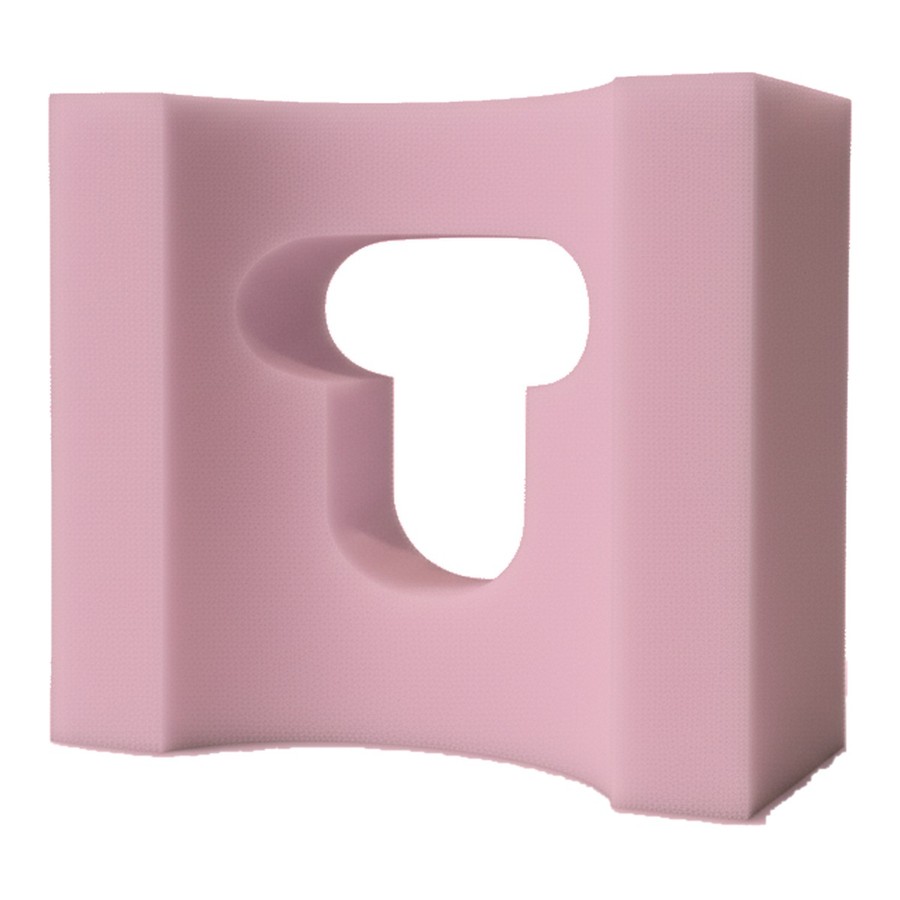
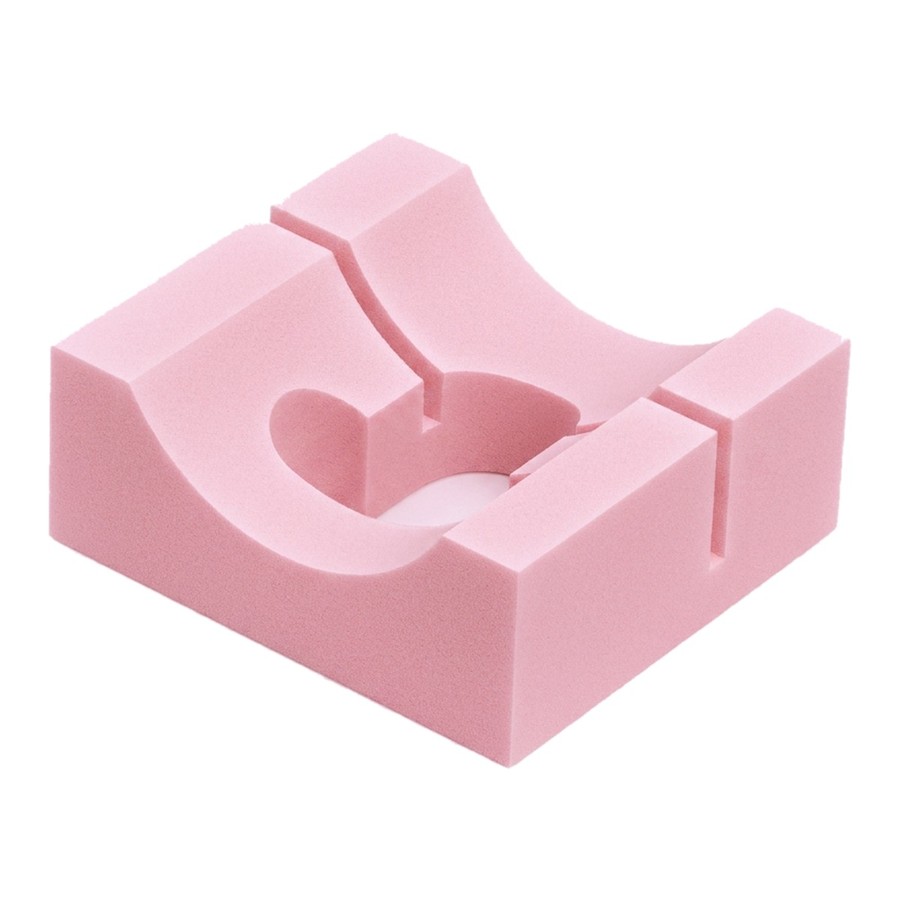
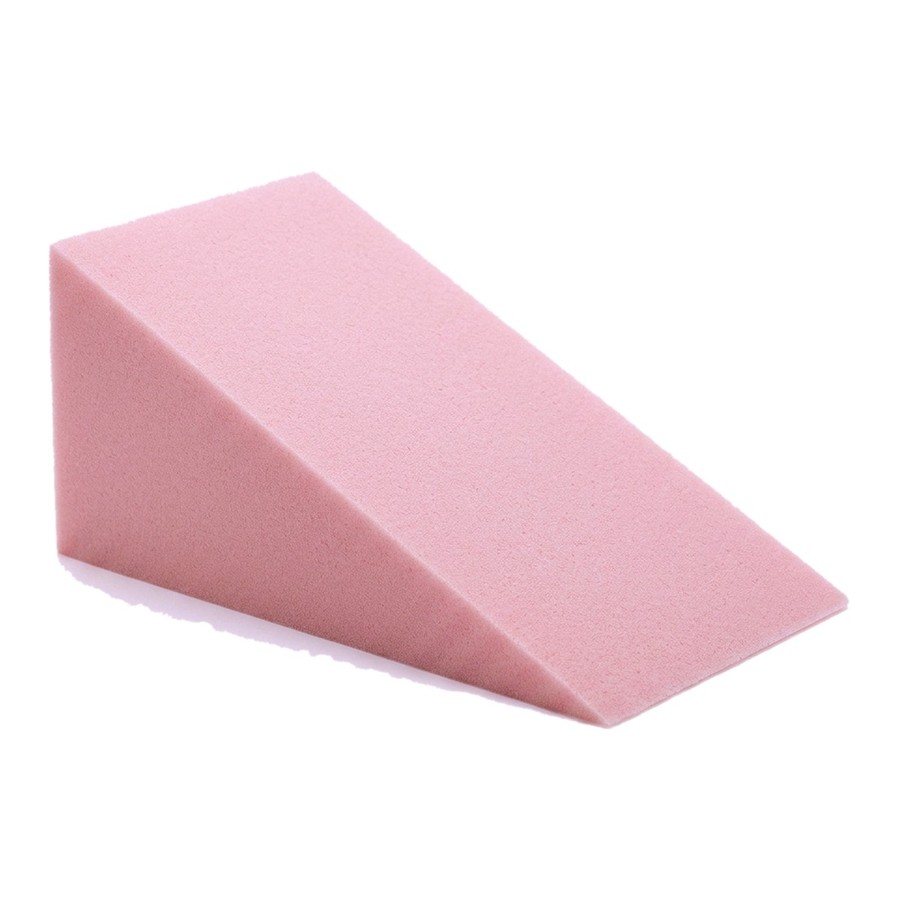
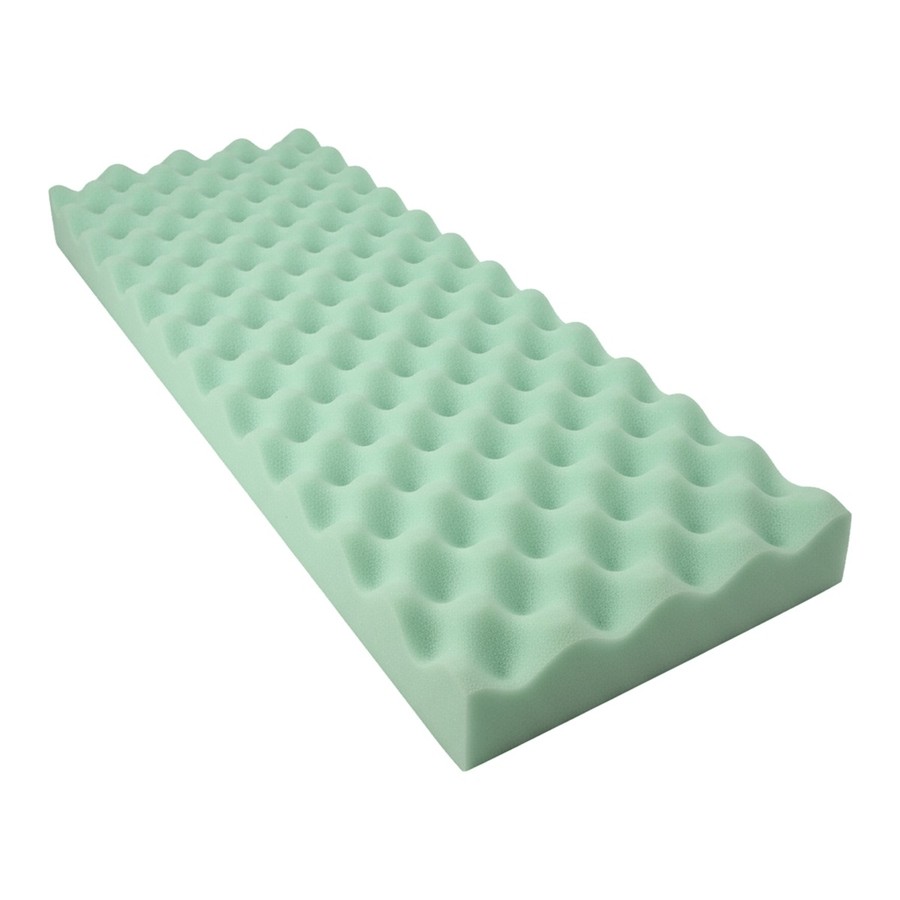
An anaesthetised patient has no protective reflexes and does not feel pressure. Prone: chest and pelvis blocks plus a head positioner with a channel for the tube. Lateral: wedges behind the back and pelvis, trough pads under the limbs. Lithotomy: padding under the knees and heels.
Sedated and ventilated patients are repositioned around the clock: 30° wedges alternating left and right, head positioners that keep the airway and the tube stable, prone therapy in severe respiratory failure, heels and elbows kept off the surface.
Paresis, spasticity and loss of sensation. Abduction spacers between the legs, rolls under the knees and trough pads hold a paralysed limb in its physiological axis and work against contractures.
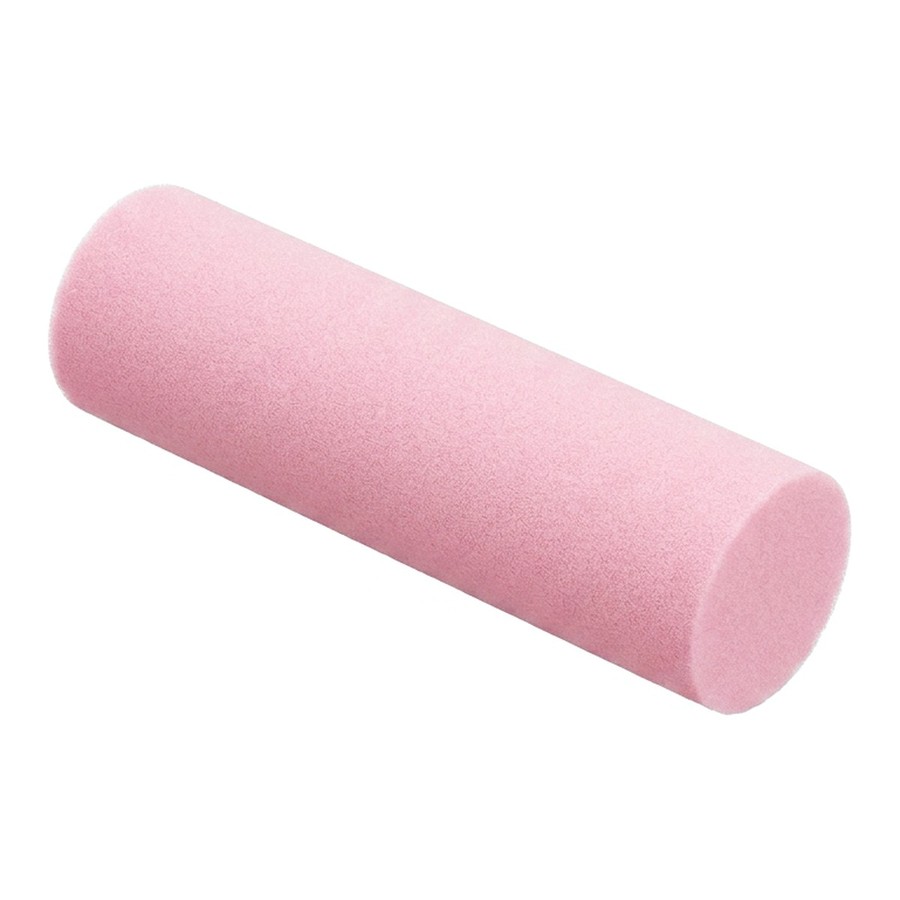
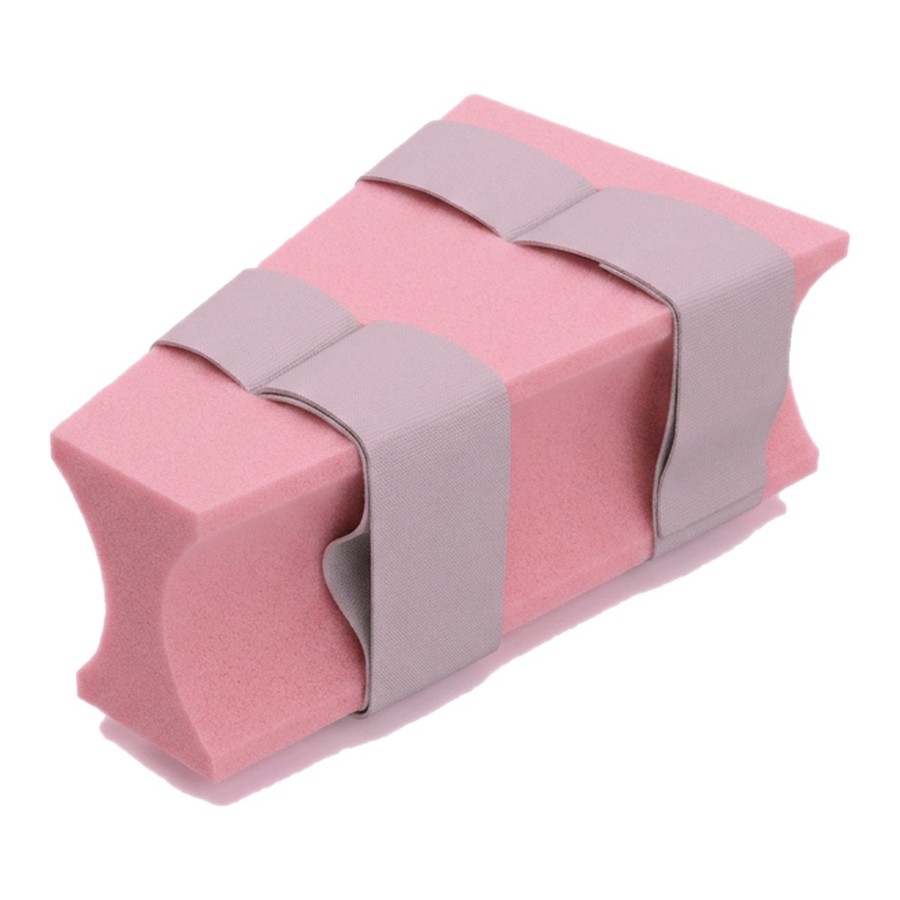
After hip replacement, abduction wedges between the thighs keep the joint in a safe position. Rolls and wedges elevate a limb to reduce swelling and hold its axis.
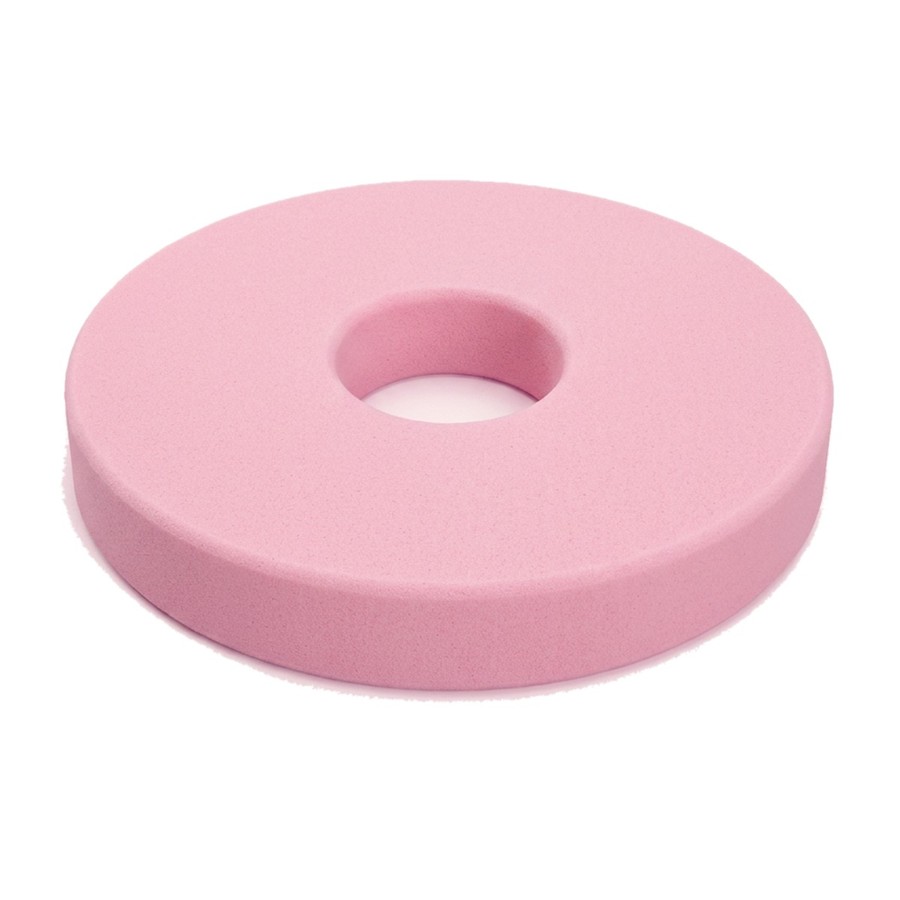
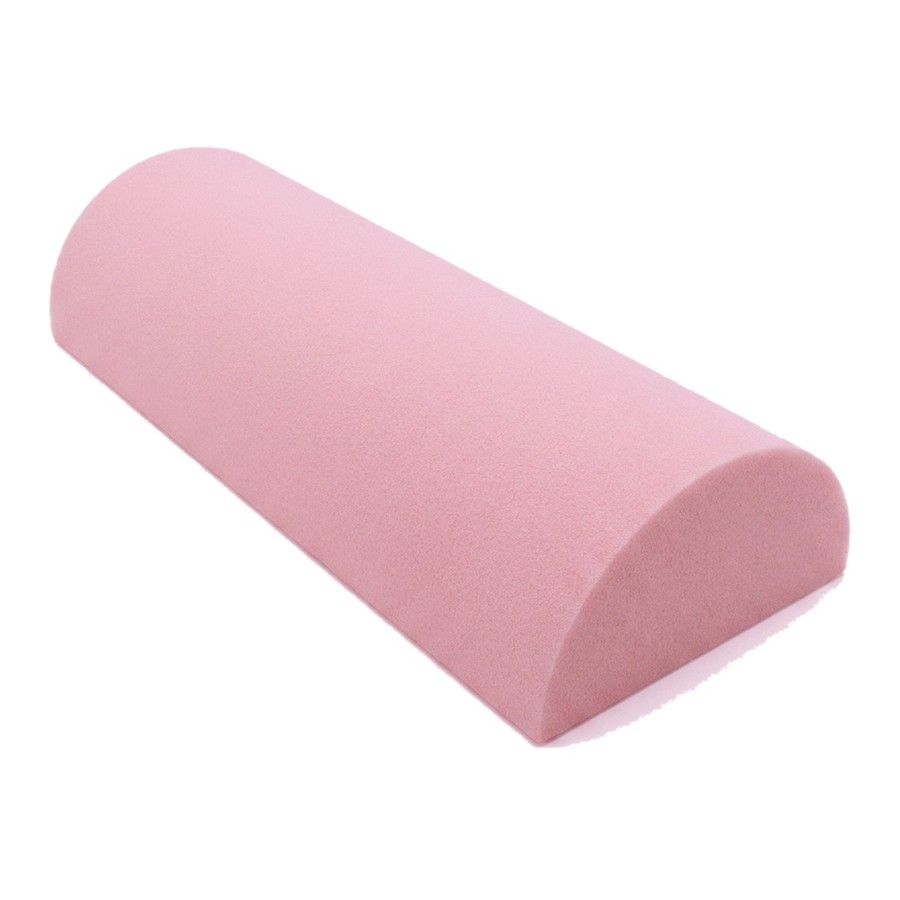
Round‑the‑clock prophylaxis for frail, bed‑bound patients: sets of wedges and half‑rolls for continuous rotation, rings and spacers so knees and ankles do not rub against each other.
Foam nests and positioners in incubators; head positioners help protect a soft skull from deformation.
Foam shapes hold the patient in the required position for X‑ray, CT and MRI, which removes motion artefacts from the images.
What the line is built around
Each positioner is used once, with no reprocessing, minimal risk of cross‑infection.
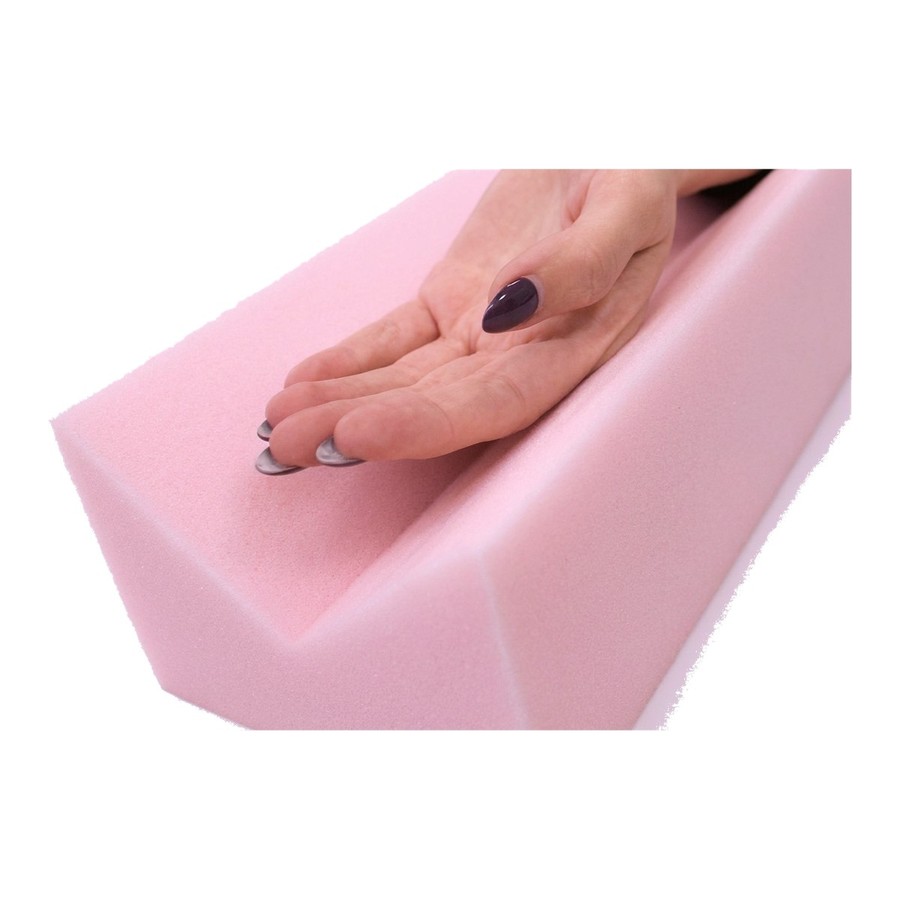
Foam cushions the bony prominences that take the load in every position: occiput, sacrum, heels, elbows.
Rings, rolls and wedges hold the head, trunk and limbs where the team put them.
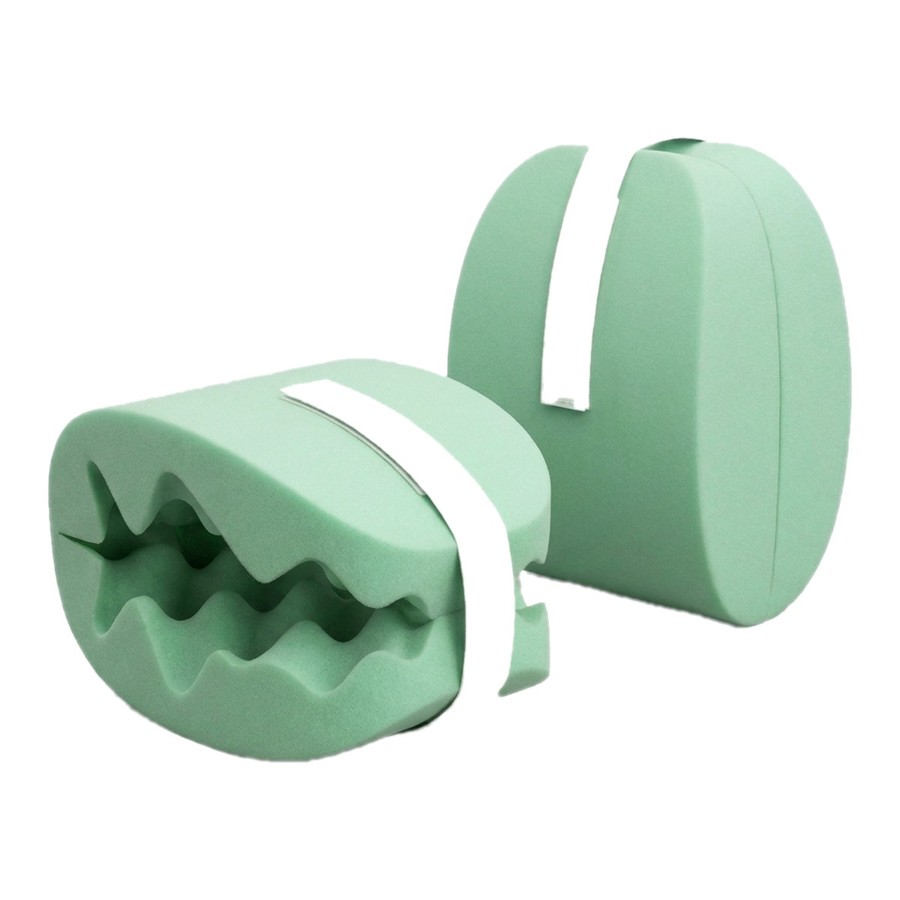
Convoluted pads and rolls leave room for air under the body.
Medical devices with a Declaration of Conformity, manufactured under ISO 13485.
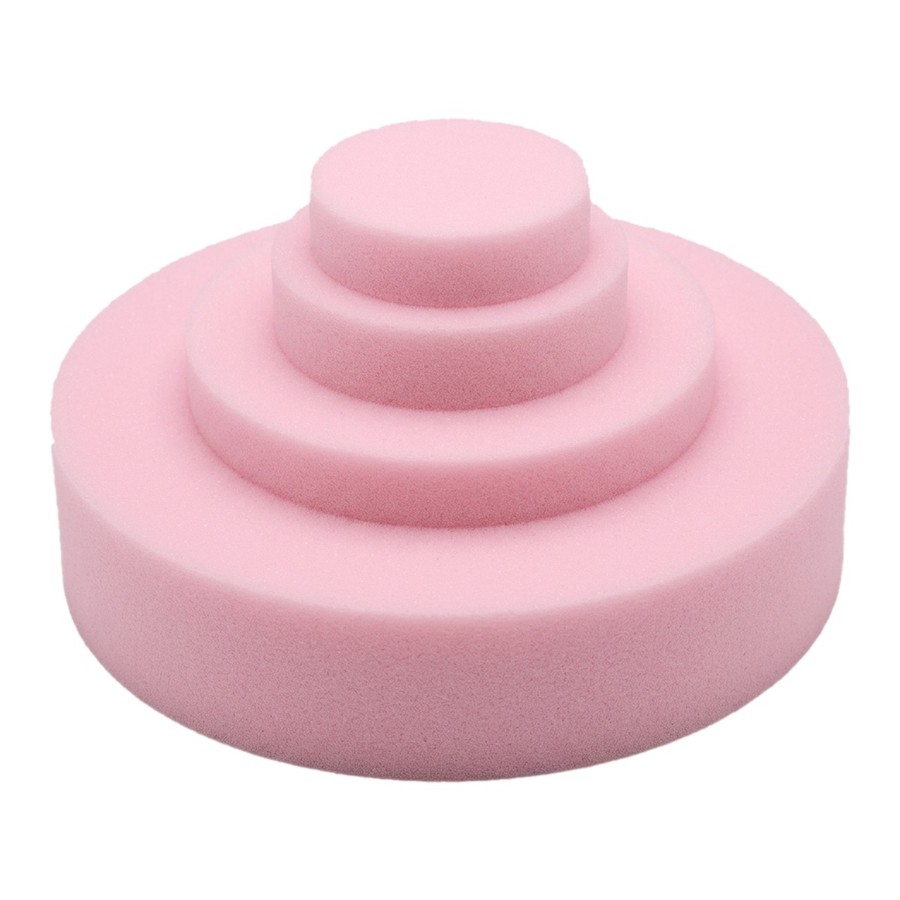
Head positioners in four sizes, rings in five, wedges in five, spacers S–L.
Where the guidance points
The map is an orientation aid for professionals, not a substitute for the ward protocol or the instructions for use.
Positioners for your tender, from the manufacturer.
Offer per lot within 48 h, technical file after partner verification, OEM and private label on request.
Frequently asked questions
Are POZI‑FOAM positioners reusable?
No. They are single‑use, which removes reprocessing and minimises the risk of cross‑infection.
Which positioner goes under the head of an intubated patient?
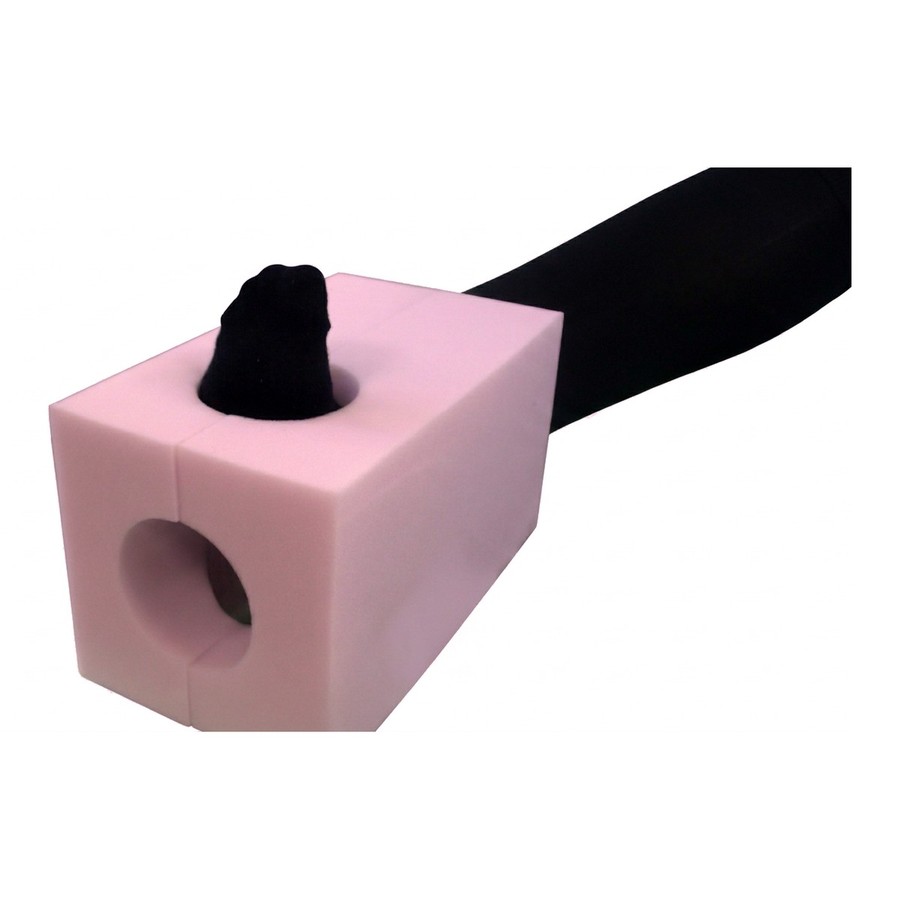
The head positioner with a cut‑out for the endotracheal tube (two heights). The tube runs through the channel without pressure on the face.
How do I keep the heels off the table?
A half‑roll under the calves lifts the heels; heel protectors wrap the heel itself; a ring positioner takes the point load.
Do you supply documentation for tenders?
Yes. CE certificate, Declaration of Conformity, instructions for use and datasheets are released to verified partners.